Call Us: 615-422-4878

Can You Sleep in Compression Socks? What to Know

Can You Sleep in Compression Socks? What to Know
Compression socks are usually part of the daytime routine. You put them on in the morning, wear them while you're moving through the day, and take them off when you finally change into pajamas. But if your legs still feel swollen or heavy at night, it can be tempting to wonder: why not just sleep in them?
The answer isn't quite as simple as yes or no. Whether compression socks should be worn overnight depends on why you're wearing compression, the type of garment you're using, and whether a healthcare provider has specifically recommended nighttime compression.
Why Compression Socks Are Usually Worn During the Day
Most traditional compression socks are designed around what your legs are doing while you're upright.
Standing and sitting allow gravity to pull blood and fluid toward the lower part of the body. Compression garments provide graduated pressure that is typically strongest around the ankle and gradually decreases farther up the leg.
At night, you're lying down rather than spending hours upright. That changes the conditions under which the compression garment is being used.
For many people who wear compression socks for everyday support, there isn't a reason to keep the same socks on while sleeping.
So, Can You Sleep in Compression Socks?
Sometimes, but you shouldn't assume that overnight wear is appropriate just because a compression sock feels comfortable.
Some people are instructed by their healthcare provider to use compression while sleeping, particularly when managing certain medical conditions or swelling. In those cases, the recommended garment may be specifically designed for nighttime use rather than being the same stocking worn during the day.
If nighttime compression has been recommended for you, follow the instructions you've been given about the garment, compression level, and how long to wear it.
If no one has told you to sleep in compression socks, taking your regular daytime compression socks off before bed is generally the simpler approach.
Why Your Regular Compression Socks May Not Be Ideal for Bed
A compression sock that works perfectly while you're walking around isn't necessarily designed for eight hours of uninterrupted wear while you're asleep.
While sleeping, you may not notice small problems with the garment as quickly. A sock can shift, fold, bunch, or create pressure in one area without you immediately waking up to fix it.
There is also a difference between a garment being snug and a garment creating uncomfortable pressure. Compression should not cause symptoms such as:
- Numbness or tingling
- Significant pain
- Skin irritation
- Cold or unusually pale toes
- Deep marks that don't go away
- Excessive pressure in one area
If you experience these symptoms, remove the garment and speak with a healthcare professional about whether it is appropriate for you.
What If Your Legs Feel Better With Compression at Night?
This is where things can get a little confusing.
You may notice that your legs feel less heavy or swollen after wearing compression during the day, and you may assume that keeping the socks on overnight will provide even more benefit.
Instead of automatically extending your wear time, consider why you're experiencing symptoms at night.
Persistent swelling, pain, or changes in your legs may be worth discussing with your healthcare provider. They can determine whether your current compression routine is appropriate or whether a different type of garment or treatment plan makes more sense.
More compression isn't automatically better compression.
Daytime Compression vs. Nighttime Compression
Not all compression garments serve the same purpose. A daytime compression stocking is generally made to fit closely while you're upright and active, while specialized nighttime garments may use different materials and construction.
The important distinction isn't simply whether one garment is "stronger." It's whether the garment is appropriate for the situation in which you're wearing it.
What About Sleeping in Compression Socks After a Long Day?
After a flight, long shift, workout, or day spent on your feet, your legs may feel different by bedtime.
That doesn't necessarily mean you should sleep in your compression socks.
Instead, take a look at how the socks fit and how your legs feel once you're resting. If swelling or discomfort is happening regularly, keeping a note of when it occurs can be useful information to bring to your healthcare provider.
For occasional tired legs, removing your socks, changing into comfortable sleepwear, and giving your legs a chance to rest may be all you need.
When Nighttime Compression May Be Part of Your Care
There are situations in which nighttime compression is intentionally incorporated into a treatment plan.
If you have been prescribed compression for lymphedema, chronic swelling, or another condition, your healthcare provider may recommend a specific nighttime garment or wrapping technique.
Don't substitute an ordinary pair of daytime compression socks simply because you already own them. Nighttime compression can involve different garments and different instructions depending on the condition being treated.
If you're unsure whether your particular compression socks should stay on overnight, ask the healthcare professional who recommended them.
What Should You Do With Your Compression Socks Before Bed?
If you're wearing standard daytime compression socks, make removing them part of your evening routine.
Check your skin after taking them off, especially if you are new to compression. Look for areas of redness, irritation, rubbing, or pressure.
This can also be a good opportunity to inspect the socks themselves. If the fabric has become stretched out, the compression feels different than it used to, or the garment is beginning to lose its shape, it may be time to replace them.
Compression garments don't last forever, and a worn-out pair may not provide the same fit or support it once did.
Bottom Line: For most people, standard daytime compression socks aren't something to simply leave on around the clock. Whether you should use compression while sleeping depends on your individual situation and, when medical compression is involved, the instructions of your healthcare provider. If nighttime swelling or discomfort is becoming a regular problem, don't assume that wearing your daytime socks longer is the answer.
October 4, 2026
|
View: 126
|
Categories: Compression Therapy
| Tags: <a class="mp-info" href="https://www.compressionguru.com/latestnews/tag/compression-therapy">compression therapy</a>, <a class="mp-info" href="https://www.compressionguru.com/latestnews/tag/foot-health">foot health</a>, <a class="mp-info" href="https://www.compressionguru.com/latestnews/tag/compression-stockings">compression stockings</a>, <a class="mp-info" href="https://www.compressionguru.com/latestnews/tag/compression-socks">Compression Socks</a>, <a class="mp-info" href="https://www.compressionguru.com/latestnews/tag/compression-therapy1">Compression Therapy</a>, <a class="mp-info" href="https://www.compressionguru.com/latestnews/tag/compression-garments">Compression Garments</a>
|
By: <a class="mp-info" href="https://www.compressionguru.com/latestnews/author/compression-guru-team">Compression Guru Team</a>
About the Author

Related Posts
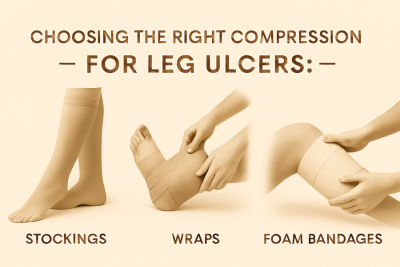
Choosing the Right Compression for Leg Ulcers: Stockings, Wraps, and Foam Bandages
October 9, 2025| Posted in Wound Care| Compression Guru Team| 1323

Travel Without Swell: Compression Tips for Flights
April 30, 2026| Posted in Compression Therapy, Athletic Compression & Recovery| Compression Guru Team| 398
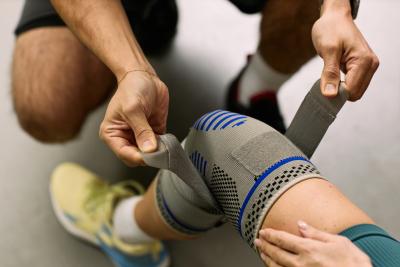
Athletic Compression Wear: How to Choose Gear That Supports Your Body
June 15, 2026| Posted in Compression Therapy, Athletic Compression & Recovery| Compression Guru Team| 132

What’s the Right Athletic Compression Gear for You? Take the Quiz
June 15, 2026| Posted in Compression Therapy, Athletic Compression & Recovery| Compression Guru Team| 117