Call Us: 615-422-4878

Nighttime Compression Garments: A Guide to Choosing the Right Option
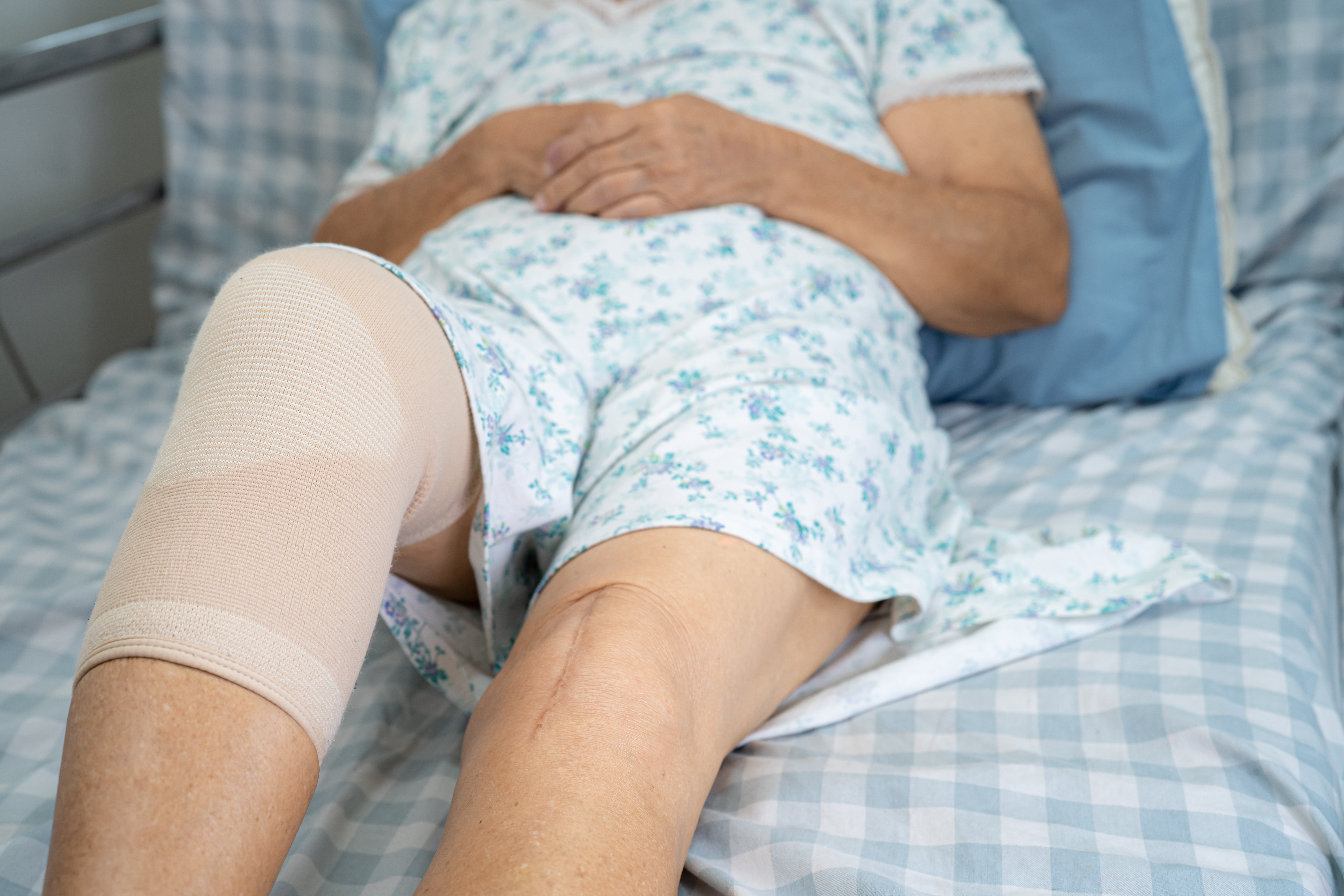
Nighttime Compression Garments: A Guide to Choosing the Right Option
Managing lymphedema and persistent swelling can involve more than wearing compression during the day. For some people, a healthcare provider may recommend a nighttime compression garment as part of their ongoing care routine. These specialized garments are designed for use during sleep or periods of rest and come in a range of styles, constructions, and coverage options.
With options for the arms, legs, hands, head and neck, trunk, and other body areas, choosing a nighttime garment can feel overwhelming at first. Understanding the differences between garment types and the features available can make it easier to have an informed conversation with your healthcare provider or lymphedema therapist.
This guide covers what nighttime compression garments are, what to consider when choosing one, and how to explore the options available at CompressionGURU.
What Are Nighttime Compression Garments?
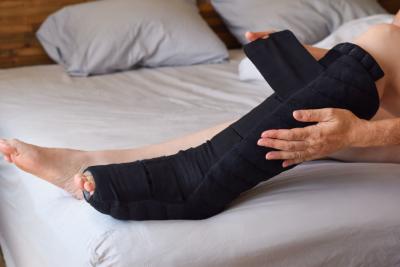
Nighttime compression garments are specialized garments designed to provide compression during sleep or rest. They are commonly used as part of a lymphedema management plan, helping patients maintain progress made through their prescribed daytime treatment and manage fluid accumulation overnight.
Unlike many daytime compression garments, nighttime options may incorporate padded materials, foam, textured channels, or adjustable components. Their construction varies by product, with different designs intended to address different body areas and individual treatment needs.
Nighttime garments may be recommended for people managing:
- Lymphedema: A condition involving swelling caused by an impaired lymphatic system.
- Persistent edema: Fluid accumulation that may require a clinician-directed compression plan.
- Swelling following cancer treatment: Including lymphedema that develops after certain surgeries or radiation treatments.
- Other conditions requiring nighttime compression: When a qualified healthcare professional determines that a specialized garment is appropriate.
Not everyone who experiences swelling needs a nighttime garment. A healthcare professional can assess the cause of the swelling and determine whether nighttime compression is suitable for the individual's condition and treatment plan.
Nighttime vs. Daytime Compression: What's the Difference?
Daytime and nighttime compression garments serve related purposes, but they are not necessarily interchangeable. Their materials, construction, fit, and intended use can differ significantly.
| Feature | Daytime Compression | Nighttime Compression |
|---|---|---|
| Intended use | Typically worn during waking hours and daily activities. | Designed for sleep or periods of rest when prescribed. |
| Construction | May use elastic knitted fabric or other compression materials. | May include foam, padding, textured channels, or adjustable components. |
| Fit and design | Often designed to fit closely during movement and activity. | Construction varies by product, with features designed for nighttime use. |
| Selection | Based on treatment needs, measurements, and prescribed compression. | Based on treatment needs, body-area coverage, fit, and garment construction. |
Important: Do not assume that a daytime compression sleeve, stocking, or other garment is safe to wear while sleeping. Only use garments specifically intended for nighttime wear during sleep unless your healthcare professional instructs you otherwise.
Types of Nighttime Compression Garments
Nighttime compression is not limited to the arms and legs. Different garments are available to address swelling in specific areas of the body. The appropriate style depends on where treatment is needed and which garment your healthcare professional recommends.
Arm and Hand Garments
Nighttime arm garments are designed for people who need compression coverage in the upper extremities. Depending on the product, options may cover the hand, wrist, forearm, upper arm, or the entire arm.
Some designs combine hand and arm coverage, while others address a specific section. It is important to consider whether the hand needs separate or integrated coverage as part of the prescribed treatment plan.
Leg and Foot Garments
Nighttime leg garments may cover the lower leg, foot, toes, knee, thigh, or the entire leg. The available styles vary by manufacturer and model.
When comparing these options, consider the full area requiring treatment rather than selecting a garment based only on where swelling is most noticeable. Your clinician can help determine the coverage needed.
Head and Neck Garments
Specialized nighttime garments are available for certain areas of the head, face, and neck. These products can have distinct shapes and coverage requirements because of the anatomy involved.
Since compression in this area requires particular care, selection and fit should be guided by a healthcare professional familiar with head and neck lymphedema management.
Chest, Back, and Trunk Garments
Some people need compression coverage for areas beyond the arms and legs. Depending on the product, options may include garments for the chest, back, abdomen, or torso.
These garments vary in design and intended use. A clinician can help determine whether a particular garment is appropriate for the affected area and how it should fit around the body.
Specialized Garments and Compression Pads
Additional products may be designed for specific body areas, including the axilla, hip, thigh, knee, or genital region. Separate pads, inserts, and accessories may also be available for use with particular garments or treatment systems.
These options are not interchangeable, and some are designed to be used alongside another compression garment. Always check the manufacturer's instructions and your healthcare professional's recommendations before combining products.
What Features Should You Compare?
Once you know which body area needs coverage, the next step is comparing the available garment designs. Several features can influence fit, ease of use, and suitability for an individual's treatment plan.
Foam and Padding Construction
Some nighttime garments incorporate foam or padding as part of their construction. Depending on the product, the foam may be sculpted, shredded, or arranged in textured channels.
Different designs offer different garment characteristics, so it is worth reviewing the manufacturer's product information and asking your clinician which construction may be appropriate for your needs.
Adjustability
Some garments feature adjustable straps, panels, or other components that allow the wearer or caregiver to adjust the garment's placement. These features may be useful for people who have difficulty pulling on a traditional sleeve or stocking.
However, adjustability does not replace proper fitting. Follow the product instructions and your clinician's guidance to ensure the garment is applied correctly.
Ready-to-Wear vs. Custom-Fitted Options
Nighttime compression garments are available in standard sizes, while some products can be made to individual measurements. The options available depend on the manufacturer, model, and body area being treated.
A ready-to-wear garment may be suitable for someone whose measurements match the product's sizing range. A custom-fitted garment may be needed when standard sizing cannot provide the required fit. A qualified fitter or healthcare professional can help determine which approach is appropriate.
Ease of Application
Putting on and removing a nighttime garment can be an important practical consideration, particularly for people with limited mobility, reduced hand strength, or difficulty reaching the affected area.
Depending on the product, helpful features may include pull-up loops, adjustable closures, or other application aids. Ask which features are available for the specific garment you are considering.
Coverage and Compatibility
A garment should provide the coverage recommended for your treatment plan. Some products cover one section of a limb, while others extend across multiple areas. Certain garments may also be designed to work with separate pads, jackets, liners, or accessories.
Before ordering, confirm which components are included, which must be purchased separately, and whether the products are intended to be used together.
How to Choose the Right Nighttime Compression Garment
There is no single nighttime compression garment that is best for everyone. A suitable option should match the individual's treatment needs, body measurements, required coverage, and ability to apply and remove the garment.
Use the following checklist when discussing options with your healthcare provider or fitter:
- Identify the area requiring treatment. Determine whether you need coverage for the arm, hand, leg, foot, head and neck, trunk, or another area.
- Confirm the intended use. Make sure the garment is designed for nighttime wear and is appropriate for your treatment plan.
- Review sizing and fit. Follow the manufacturer's measuring instructions and ask whether standard or custom fitting is recommended.
- Compare garment construction. Review foam, padding, fabric, and closure options where applicable.
- Consider application needs. If putting on or removing a garment is difficult, ask about adjustable designs and available application aids.
- Check accessories and compatibility. Find out whether additional components are required for the intended use.
- Understand care requirements. Review washing, drying, and replacement guidance for the selected product.
It can also help to ask your clinician how the nighttime garment fits into your broader care routine, including whether you should continue wearing a separate daytime garment and how often your fit should be reassessed.
Explore Nighttime Compression Garments at CompressionGURU
The CompressionGURU Nighttime Garments Shop offers products from multiple manufacturers for a range of body areas and treatment needs. Depending on the product, the selection includes options from brands such as Solaris, JOBST, and Alta Medical, along with specialized garments, pads, and accessories.
As you explore the available products, you may wish to compare:
- Solaris TributeWrap: Selected nighttime garment options for different body areas.
- JOBST JoViPak: A range of specialized nighttime compression garments and accessories.
- Alta Medical IndigoSleeve: Nighttime sleeve options with available foam configurations and other product-specific features.
- Additional garments and accessories: Options for other body areas, depending on the product and intended use.
Each product has its own sizing, construction, and use instructions, so review the individual listing carefully rather than assuming that features are identical across the range.
Ready to explore your options?
Visit the CompressionGURU Nighttime Garments Shop to browse available products by body area, garment type, and manufacturer. Consult your healthcare provider or lymphedema therapist to help identify the option that fits your individual treatment plan.
This article is for informational purposes only and is not a substitute for medical advice, diagnosis, or treatment. Nighttime compression garments should be selected and used according to the recommendations of a qualified healthcare professional and the manufacturer's instructions.
October 24, 2026
|
View: 58
|
Categories: Compression Therapy
| Tags: <a class="mp-info" href="https://www.compressionguru.com/latestnews/tag/lymphedema">lymphedema</a>, <a class="mp-info" href="https://www.compressionguru.com/latestnews/tag/compression-therapy1">Compression Therapy</a>, <a class="mp-info" href="https://www.compressionguru.com/latestnews/tag/compression-garments">Compression Garments</a>, <a class="mp-info" href="https://www.compressionguru.com/latestnews/tag/alta-medical">Alta Medical</a>, <a class="mp-info" href="https://www.compressionguru.com/latestnews/tag/indigosleeve">IndigoSleeve</a>, <a class="mp-info" href="https://www.compressionguru.com/latestnews/tag/nighttime-compression">Nighttime Compression</a>, <a class="mp-info" href="https://www.compressionguru.com/latestnews/tag/compression-garment-customization">Compression Garment Customization</a>, <a class="mp-info" href="https://www.compressionguru.com/latestnews/tag/foam-compression-garments">Foam Compression Garments</a>
|
By: <a class="mp-info" href="https://www.compressionguru.com/latestnews/author/compression-guru-team">Compression Guru Team</a>
About the Author

Related Posts
Track My Lymph Journal — Your Daily Companion for Managing Swelling
November 6, 2025| Posted in Lymphedema & Lipedema, Product Education & Guides| Compression Guru Team| 517
Common Lymphedema Triggers and How to Avoid Them
June 20, 2026| Posted in Lymphedema & Lipedema| Compression Guru Team| 480

Traveling with Lymphedema: Tips for Flying and Long Car Rides
June 20, 2026| Posted in Lymphedema & Lipedema, Product Education & Guides| Compression Guru Team| 582
Unexpected Everyday Activities That May Affect Lymphedema (and How to Adapt)
June 23, 2026| Posted in Lymphedema & Lipedema| Compression Guru Team| 248